Top Current Transformers Trends for 2026 What to Know?
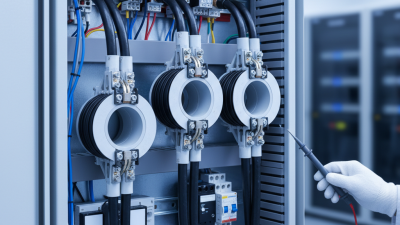
As we look ahead to 2026, current transformers become increasingly vital in electrical systems. These devices are essential for measuring and monitoring electrical currents, ensuring safety and efficiency in power distribution. The evolution of current transformers reveals key trends that shape their future. Enhanced accuracy, reduced size, and advanced materials are some of the significant innovations.
Experts are exploring the integration of digital technologies into current transformers. Smart grids demand precise data for reliable operation. By leveraging AI, current transformers can provide real-time insights. This capability enhances decision-making and operational efficiency. However, we must acknowledge the challenges that come with these advancements. Reliability in extreme conditions remains a concern, requiring ongoing research.
The demand for sustainable solutions urges innovation. As industries push for eco-friendly practices, current transformers must adapt. Material selection and energy efficiency become focal points. The future of current transformers is dynamic and complex, reflecting the ever-evolving energy landscape. Adapting to these trends is crucial for industry leaders to stay relevant.
Emerging Technologies in Current Transformers for 2026
Emerging technologies in current transformers are set to redefine the power industry by 2026. The adoption of digital current transformers (DCTs) is expected to rise significantly, driven by their ability to provide real-time monitoring and enhanced accuracy. According to a recent report, the market for DCTs is projected to grow at a CAGR of 15% through 2026. This robust growth highlights a shift towards smart grid technologies.
One promising technology involves integrating artificial intelligence (AI) with current transformers. AI algorithms can analyze data from transformers, predicting failures before they occur. This proactive approach can reduce maintenance costs and enhance system reliability. Industry experts estimate that AI applications in this sector could save up to 20% in operational costs.
Incorporating IoT (Internet of Things) into current transformer systems presents another exciting trend. IoT-enabled transformers can seamlessly communicate with other devices. This connectivity allows for smarter energy distribution and improved fault detection. However, security remains a concern, as these devices are vulnerable to cyber threats.
It is essential to stay informed about these emerging technologies. Adopting them early can lead to substantial benefits, but caution is needed. Monitoring the tech landscape will ensure you make informed decisions about future investments. Balancing innovation with security considerations will be crucial for success.
Key Market Drivers Influencing Current Transformers Demand
The demand for current transformers is influenced by several key market drivers. Growing investments in renewable energy sources are a significant factor. As reported by the International Energy Agency, renewable energy capacity is expected to grow by 50% by 2026. This shift necessitates advanced current transformers to monitor and manage electrical flows.
Emerging economies are also boosting current transformers demand. In Asia-Pacific, the market is projected to reach a value of USD 2.3 billion by 2026, as infrastructure development accelerates. Moreover, industrial automation trends are increasing the need for reliable current transformer solutions. Industry leaders highlight that automation reduces operational costs by up to 30%.
Maintaining awareness of these trends is essential for industry stakeholders. Understanding evolving technologies can lead to better decision-making. Knowledge sharing within the industry fosters innovation. Exploring how current transformers integrate with smart grid systems can reveal new efficiency possibilities. It’s crucial to adapt to these changes while also reflecting on sustainability goals. Balancing economic growth with environmental impact will shape the future landscape of current transformers.
Sustainability Trends in the Current Transformers Industry
Sustainability is becoming a dominant trend in the current transformers industry. As concerns over climate change increase, manufacturers are reevaluating their practices. They are seeking eco-friendly materials and efficient production methods. This is not just about compliance; it's about leadership in innovation. Companies are looking at life cycle assessments to minimize environmental impact.
The push for sustainable current transformers includes the development of recyclable materials. Manufacturers are exploring alternatives to traditional components. This often involves using composites or other sustainable resources. Additionally, energy efficiency in transformers is critical. Enhanced efficiency can lead to significant reductions in energy consumption.
Despite progress, challenges remain. Some companies are hesitant to fully embrace sustainable practices. This can stem from costs or a lack of immediate market demand. Continuous dialogue in the industry is needed. Stakeholders must share knowledge and experiences to overcome these hurdles. Collaboration will be key to achieving sustainability goals.
Advancements in Smart Current Transformers for Enhanced Monitoring
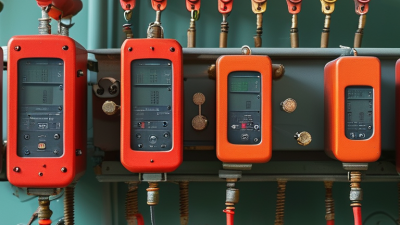
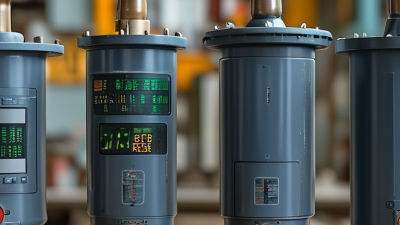
The rise of smart current transformers (CTs) is revolutionizing the energy sector. These advanced devices offer enhanced monitoring capabilities. This shift is vital for industries aiming for greater efficiency. According to a recent report, the global market for smart CTs is expected to grow by over 12% annually. This growth reflects a heightened demand for real-time data and predictive analytics.
Smart CTs utilize IoT technology to monitor electrical systems. They can detect anomalies and optimize energy consumption. For instance, some models can provide accurate readings within 0.5% margin of error, significantly improving traditional methods, which often exceed 2%. This precision allows for proactive maintenance, reducing downtime and operational costs.
Despite these advancements, challenges remain. Integration with existing infrastructure can be complex. Data security concerns also linger, as more organizations adopt cloud solutions. Companies must navigate these issues to harness the full potential of smart CTs. Striking a balance between innovation and security is crucial for sustainable growth in this sector.
Regulatory Changes Impacting Current Transformers Development in 2026
As we look forward to 2026, the landscape of current transformers is poised for significant changes. Regulatory bodies are increasingly focused on enhancing efficiency and safety standards. Compliance with updated regulations may demand technological innovations in design and performance. Manufacturers need to adapt quickly to these shifts, ensuring that their products meet evolving legal requirements.
These changes are not merely administrative; they reflect a broader commitment to environmental sustainability. New rules may require the use of materials that minimize ecological impact. This could lead to the development of more efficient current transformers that consume less energy. Stakeholders should be prepared for the challenges that accompany these updates. Some companies may lag behind in the transition, impacting their market position.
Moreover, as regulations tighten, testing and certification processes will likely become more rigorous. This reflects a shift towards accountability within the industry. Organizations must invest in research and development to stay compliant. Yet, some manufacturers may face difficulties in aligning their practices with new policies, leading to potential market inconsistencies. Optimizing for compliance while maintaining performance will be critical for success in 2026.
 X
X