X
X
X
X Using a CT meter can be quite challenging without the right approach. These devices measure current flow, offering essential data for electricians and engineers. However, improper use can lead to inaccurate readings and potentially costly mistakes.
Efficiently using a CT meter requires understanding its basic functions. Many users overlook critical details like calibration and setup. How often do users forget to check for correct scale settings? These oversights can lead to wrong measurements.
Moreover, being cautious with safety measures is vital. CT meters deal with electrical currents, posing risks if mishandled. Users should always remember: safety comes first. With practice and focus, anyone can master this essential tool. Embracing these tips will enhance your skills and confidence in using a CT meter effectively.
CT meters play a crucial role in measuring current in electrical systems. Understanding their functionality is essential for effective use. A CT meter functions by sensing the magnetic field around a conductor. It converts high current levels into manageable readings. This transformation helps technicians analyze power levels without direct contact with high voltage.
Familiarity with the meter's settings is vital. Users should know how to adjust ranges effectively. Sometimes, the default settings may not provide accurate readings. Mistakes in setup can lead to significant errors in data interpretation. The correct positioning of the meter is also crucial. A poorly placed CT meter can affect accuracy. It may not fully capture the current flow, leading to misleading results.
Regular calibration is necessary for maintaining accuracy. Yet, many users overlook this aspect. Neglecting calibration can result in drift over time. This could lead to false conclusions about system performance. Users should keep a log of calibration dates and results. Not all users consider this practice essential, impacting reliability. Understanding these fundamentals can significantly enhance the effective use of CT meters.
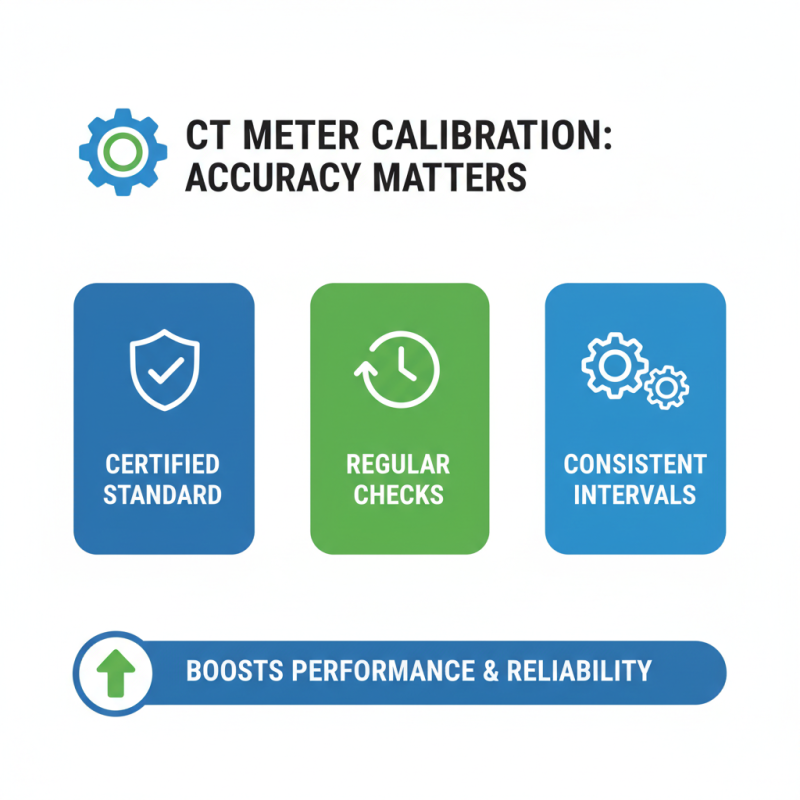
Calibration is crucial for ensuring the accuracy of a CT meter. Taking time to execute proper calibration boosts performance and delivers reliable results. Start by using a certified calibration standard. This can help in minimizing discrepancies caused by environmental factors. Regularly check the calibration status of your CT meter. Even slight deviations can lead to significant inaccuracies over time. Remember, consistency in calibration intervals is key.
Most professionals skip the maintenance of their equipment. This oversight can lead to unexpected errors in measurements. On top of calibration, inspect your CT meter for any physical damages. Clean the connectors and ensure no dust or grime is present. If you encounter persistent discrepancies, it might indicate a need for more frequent calibration sessions. Don’t ignore background noise that can affect readings. An overlooked factor might be affecting your data's integrity. Each step in the calibration process is vital. Take note and refine your techniques as needed.
When interpreting measurement readings from a CT meter, clarity is key. Begin by ensuring that you understand the unit of measurement being used. Different settings can yield varying results. Misinterpretations often arise from overlooking calibration. Just because a reading appears logical doesn't mean it's accurate. Always confirm the meter’s settings before taking measurements.
Common mistakes include neglecting environmental factors. Temperature and humidity can affect readings significantly. It’s easy to forget how these external conditions influence results. Another frequent error involves reading the meter too quickly. Take your time and ensure you understand each detail. Small discrepancies can have larger implications, especially in important settings.
Reflect on your own experience with measurement readings. Have you ever assumed a reading was correct without validating it? This assumption can lead to errors. Often, we get caught up in numbers and miss the broader context. It’s essential to approach each reading with a critical eye. Challenge yourself to develop a habit of double-checking your measurements and considering external influences.
| Tip Number | Tip Description | Common Mistake | Best Practice |
|---|---|---|---|
| 1 | Calibrate your CT meter regularly. | Skipping calibration can lead to inaccurate readings. | Follow the manufacturer's calibration schedule closely. |
| 2 | Use the correct settings for measurement type. | Using incorrect settings may skew results. | Double-check the settings before taking measurements. |
| 3 | Ensure the CT meter is clean and well-maintained. | Neglecting maintenance can affect performance. | Schedule regular cleaning and maintenance checks. |
| 4 | Understand the environmental conditions. | Ignoring temperature and humidity can impact readings. | Measure in a controlled environment whenever possible. |
| 5 | Read the user manual thoroughly. | Skipping this can lead to improper use. | Refer to the manual for guidance on specific functions. |
| 6 | Use appropriate probes for different applications. | Using wrong probes can result in data loss. | Ensure probes are suited for the type of measurement. |
| 7 | Take multiple readings for accuracy. | Relying on a single reading can be misleading. | Average out results from multiple measurements. |
| 8 | Document measurement processes and results. | Poor documentation leads to confusion over time. | Keep thorough records for future reference. |
| 9 | Be aware of the limitations of the CT meter. | Overlooking limitations can lead to incorrect usage. | Familiarize yourself with the tech specs. |
| 10 | Seek training if needed. | Avoiding training can result in misuse. | Participate in workshops or training sessions. |
Maintaining a CT meter properly is crucial for its longevity. Regular cleaning is essential. Dust or residue can affect performance. Use a soft, dry cloth to wipe the exterior. Avoid harsh chemicals that may damage sensitive components. Inspect connections and cables frequently for wear and tear. A small fray can turn into a larger issue over time.
Calibration checks are vital. Schedule these regularly to ensure accuracy. An uncalibrated meter may provide misleading readings. It’s easy to overlook this step, but consistency is key. Store the meter in a cool, dry place. Heat and humidity can degrade its parts. If a meter is not in use, disconnect the battery to prevent leakage.
Always follow the manufacturer's guidelines. Some people skip reading these instructions, leading to mistakes. Observe how the meter reacts to different conditions. Noticing minor changes can prompt important adjustments. Remember, taking proactive steps can save future headaches. Each small measure contributes to the tool’s effectiveness over time.
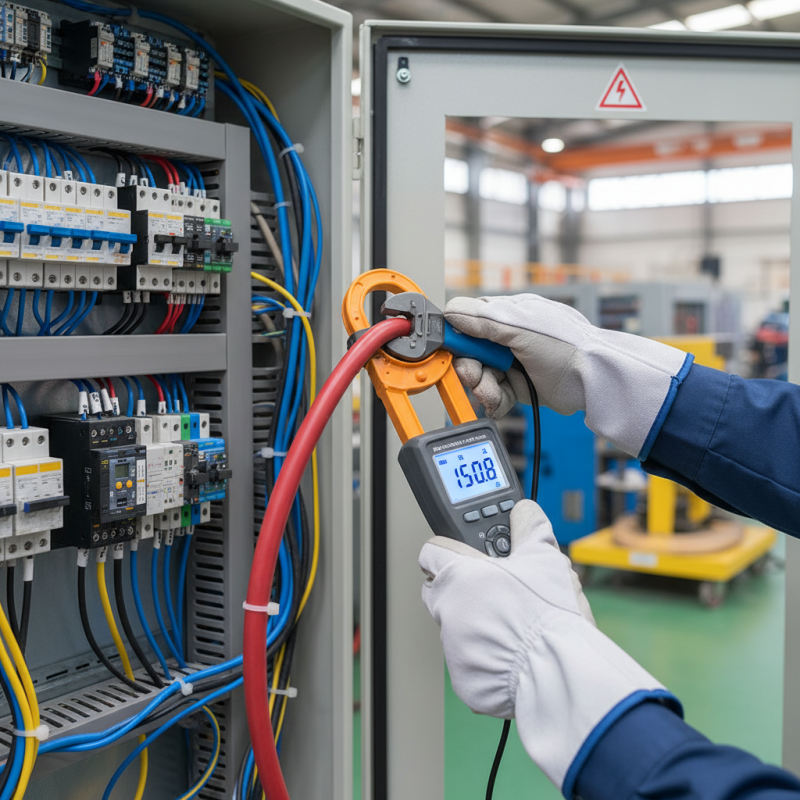
When operating CT meters in electrical environments, safety is paramount. Before you begin, ensure you wear appropriate personal protective equipment (PPE).
Gloves, safety glasses, and insulated footwear can help mitigate risks. Familiarize yourself with the specific electrical codes relevant to your area.
It may save you from serious accidents.
Proper training is crucial. Not everyone's skills are the same. Some may underestimate the dangers of electrical measurements. Ensure you understand the functions of the CT meter.
Read the user manual thoroughly before use. Misinterpretation can lead to errors in measurements. Conduct a thorough inspection of the equipment for any signs of wear or damage.
While monitoring current, keep a safe distance from live wires. Accidents often happen unexpectedly. Remain aware of your surroundings.
Distractions can lead to oversights. In high-voltage areas, use barriers or warning signs to indicate hazardous zones.
Reflecting on past experiences helps reinforce safety practices. It’s not just about the equipment; it’s about cultivating a proactive safety mindset.